
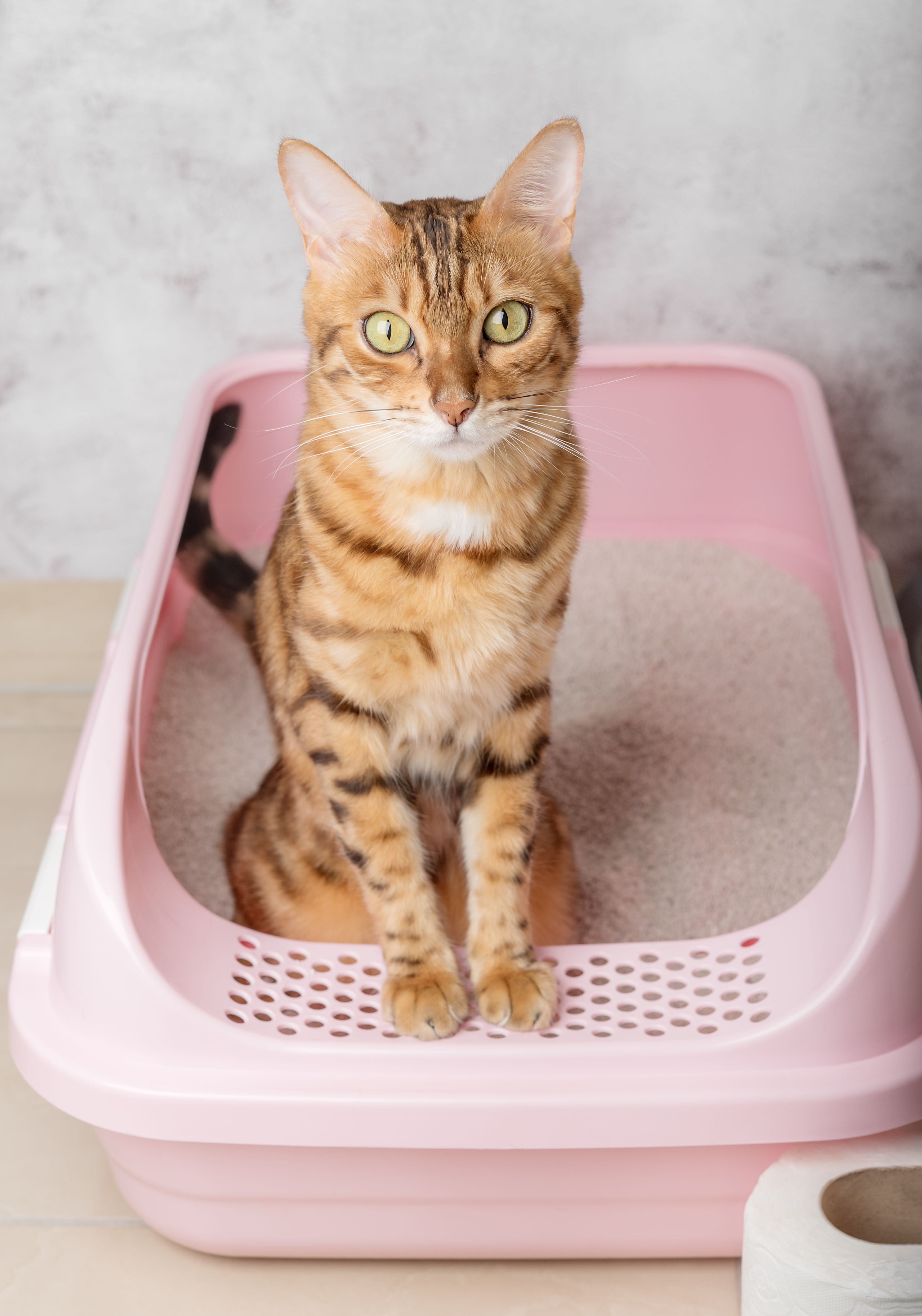
Few moments confuse a cat parent more than discovering a surprise outside the litter box. One day your cat is perfectly reliable, and the next you’re staring at a tiny “incident” wondering whether you’ve somehow offended them.
Rest assured: your cat isn’t being spiteful. Cats don’t think that way. When their bathroom habits shift, they’re communicating something important — and once you understand the message, everything becomes much clearer.
This is the behaviour that sparks the most panic, but it’s rarely random and almost never malicious.
Sometimes the reason is refreshingly simple. Your cat may dislike the cleanliness of the box, the type of litter, the noise level in the room, or the design of the box itself. Cats are sensitive creatures, and even a washing machine vibrating nearby can make their bathroom feel like an unsafe place.
Sometimes it’s something practical, such as:
And of course, sudden accidents can be linked to discomfort or pain. Constipation, arthritis, UTIs, or cognitive changes in senior cats can all make the litter box feel unappealing or difficult to use. If the change is abrupt, a vet visit is the first step before exploring behavioural causes.
Most cats habitually bury their waste, but some suddenly decide to leave it on display like a statement piece.
Confident or dominant cats sometimes do this intentionally — it’s a way of “announcing” themselves to other cats. In multi-cat homes, this little act can carry a lot of social meaning.
But there are more practical explanations too. If digging feels uncomfortable because of arthritis, a UTI, soft tissue pain, or past declawing procedures, your cat may simply skip the burying process. If your previously tidy cat suddenly stops covering, it’s worth considering whether pain might be playing a role.
Some cats seem to approach the litter box like a full excavation project, sending litter flying like they’re tunnelling to another dimension. This usually means they don’t have enough space or litter depth to complete their natural digging ritual.
In some cases, this enthusiastic scratching might also be linked to stress or marking behaviour, especially when the kicking happens after elimination. And kittens? They often kick because… well, they’re kittens, and everything is exciting.
If you walk into what looks like a litter explosion, it may be time to consider:
In multi-cat homes, litter box politics are surprisingly common. One cat may hover protectively near the box, shoot warning glances, or physically block another cat’s access. This is classic resource guarding — and yes, it can cause a lot of bathroom drama.
Guarding usually means your cat feels insecure or threatened. Even the most bonded cats can surprise their owners with territorial tension around litter boxes.
A simple, highly effective solution is to offer enough litter boxes so no one needs to fight for access. In most households, that means one box per cat plus one extra, spread out so each box feels like its own private space.
A cat curled up in the litter box tends to send owners into immediate concern mode — and understandably so. Sometimes this behaviour simply means your cat doesn’t feel they have a safe, quiet, comfortable place to rest, so the freshly cleaned litter box becomes an appealing substitute.
But if your cat suddenly starts lingering in or next to the box, it may point to urinary discomfort. Cats with UTIs or bladder issues often stay close to where they feel the urge to go.
If your cat has cosy beds and safe sleeping spaces but chooses the litter box instead, it’s wise to check with your vet.
Many cats rush into a freshly scooped litter box like it’s a brand-new attraction. They adore a clean space, and some seem almost determined to “personalise” it immediately. Whether it’s instinct, habit, or a sense of ownership, this behaviour is completely normal and even a little endearing.
When a cat starts circling the litter box suspiciously, sniffing it like a bomb technician, then walking away, it means something about the experience feels off.
Common triggers include:
Cats often have stronger opinions about their bathroom setup than people expect, and uncovering those preferences may take a bit of experimenting.
This is one of the easiest behaviours to decode: your cat simply needs more space. If they can’t comfortably turn or squat inside the box, they may end up “aiming” toward the sides.
A larger, open litter box usually solves the problem instantly.
Kittens especially treat the litter box like an enchanted sandbox — digging, rolling, pouncing, and occasionally staging dramatic ambushes from inside a covered box. Adult cats may also play if they’re feeling frisky or practicing natural hunting skills. As long as they’re not ingesting the litter or showing distress, this is normal and usually harmless.
Some cats finish their business and launch themselves from the litter box like they’re escaping danger. This dramatic exit might be caused by the noise of a self-cleaning box, a sudden fright, or a negative experience near the box. Nervous cats in particular may bolt simply because the shifting litter sound startled them once.
If your cat fears the box or seems anxious about using it, a behaviour assessment can help.
Cats do plenty of odd things around their litter boxes, and many of those habits are harmless. But sudden, unexplained changes — especially those involving pain, straining, or frequent tiny pees — should always be checked by a vet first.
Once medical issues are ruled out, behavioural support can uncover the emotional or environmental triggers behind your cat’s behaviour.
If your cat is repeatedly having accidents, seems stressed around the litter box, or lives in a multi-cat home with tension, a tailored plan can make a world of difference.
Every cat is unique.
Every home is unique.
And the litter box setup that works beautifully for one cat may fail completely for another.
I specialise in creating personalised, in-home litter box plans based on your cat’s personality, confidence, stress levels, medical needs, and living space. With the right adjustments, your cat can return to using the box with confidence — and your home can shift from chaos to calm.